
15.06.2026
Exolaunch to Deploy 49 Satellites on SpaceXTransporter-17 Rideshare Mission
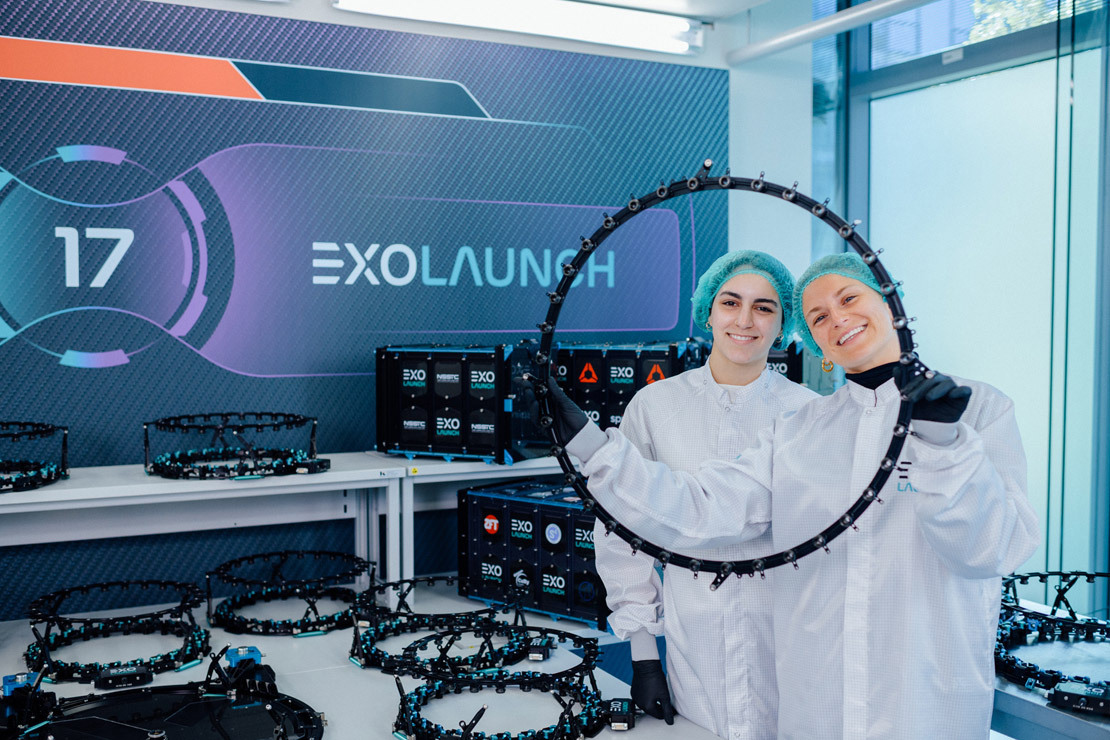
Image © Exolaunch
Exolaunch, a global leader in launch mission management, satellite integration, and deployment services, will deploy 49 customer satellites on the upcoming Transporter-17 rideshare mission with SpaceX, launching aboard a Falcon 9 rocket from Vandenberg Space Force Base no earlier than July 2026.
Exolaunch has manifested and deployed satellites on every Transporter rideshare mission since the program's inception in 2020. This latest launch further strengthens both Exolaunch's long-lasting collaboration with SpaceX and the company's role as a core infrastructure provider within the global launch ecosystem, enabling reliable, repeatable, and cost-efficient access to orbit for satellite operators.
The Transporter-17 mission will support a diverse group of more than 20 international customers, from the United States, the United Kingdom, Austria, Bulgaria, Canada, Czech Republic, Finland, France, Germany, Greece, Japan, Luxembourg, Portugal, Spain, Taiwan, reflecting continued demand for rideshare access across both established constellation operators and emerging space players.
Exolaunch's customers aboard the Transporter-17 rideshare mission will benefit from the company's decade-long heritage of executing launch campaigns and deployments at scale, alongside a comprehensive suite of services supporting every stage of the mission, from technical integration and mission management to logistics, customs, and regulatory coordination. This offering includes launch program planning and launch capacity procurement, end-to-end launch mission management, environmental testing, satellite integration, global shipping and customs clearance, and satellite deployment using Exolaunch's flight-proven technologies.

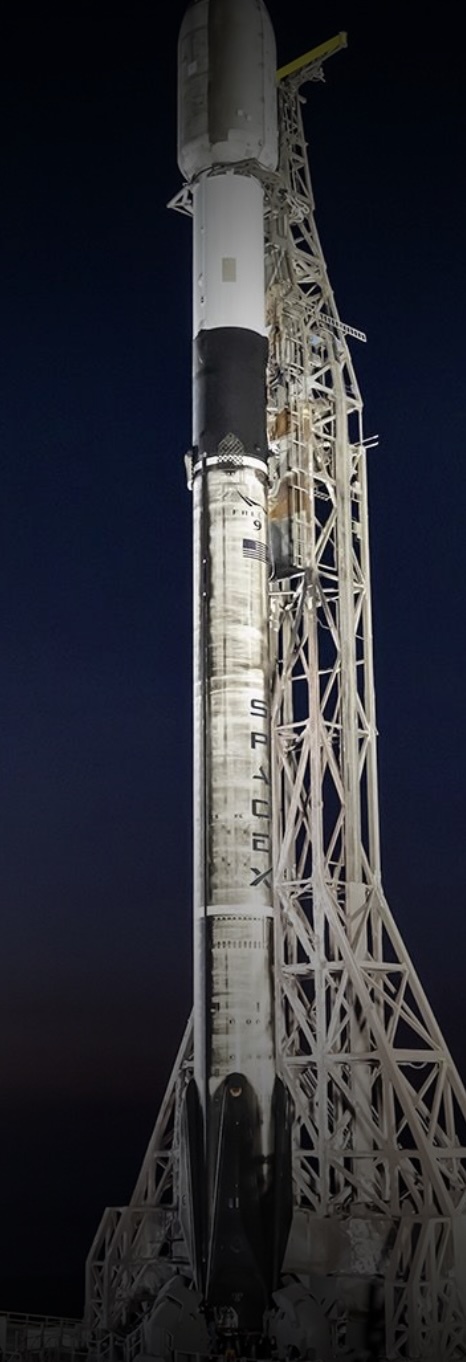
Image © Exolaunch
As with previous Transporter missions, Exolaunch is utilizing its portfolio of deployment technologies to ensure precise and reliable separation:
-
EXOpod Nova deployers for standard and high-volume, high-mass cubesats;
-
CarboNIX separation rings in multiple sizes for precise and shock-free microsatellite separation;
-
Quadro Arrow four-point microsatellite separation systems for synchronized low tip-off deployments.
“As the launch market continues to evolve, customers increasingly value certainty, flexibility, and a partner they can rely on to navigate a dynamic launch landscape,” said Jeanne Allarie, Chief Investor Relations Officer at Exolaunch. “Exolaunch has built its reputation on delivering precisely that. Our long-standing collaboration with SpaceX, combined with our deep mission management expertise and flight-proven deployment technologies, enables us to provide customers with reliable access to orbit and confidence throughout every phase of the mission.”

Image © Exolaunch
“Transporter-17 is another important milestone that reflects the strength of our collaboration with SpaceX and the trust that satellite operators place in Exolaunch,” said Kier Fortier, Chief Revenue Officer at Exolaunch. “We are set to deploy 49 spacecraft on this mission and remain committed to helping our customers achieve their business and mission objectives through reliable execution, transparent collaboration, and world-class launch services.”
Beyond the Transporter-17 mission, Exolaunch continues to expand its role in global launch infrastructure. Earlier this month, the company announced that they have signed a contract with SpaceX for two Falcon 9 launches, marking a major expansion of the company's launch capabilities and establishing a new class of launch access for global satellite operators. The two Falcon 9 missions — Exo-1 and Exo-2 — are scheduled to launch no earlier than late 2027 and 2028, respectively.
About Exolaunch
Exolaunch is a global leader in launch mission management, satellite integration and satellite deployment technologies. With a decade of flight heritage and 790 satellites launched across 47 missions to date, Exolaunch leverages industry insight to tailor turnkey solutions that meet customer needs and respond to market trends. Exolaunch fulfills launch contracts for industry leaders, the world's most innovative startups, research institutions, government organizations, and international space agencies. The company develops and manufactures its own flight-proven and industry-leading satellite separation systems and payload launch stacks, with the fastest-growing heritage on the market.
Exolaunch, headquartered in Germany, operates globally with offices in the U.S., France, and Japan. Exolaunch promotes safe, sustainable, and responsible use of space and is committed to making space accessible for all.
Quelle: Exolaunch
----
Update: 2.07.2026
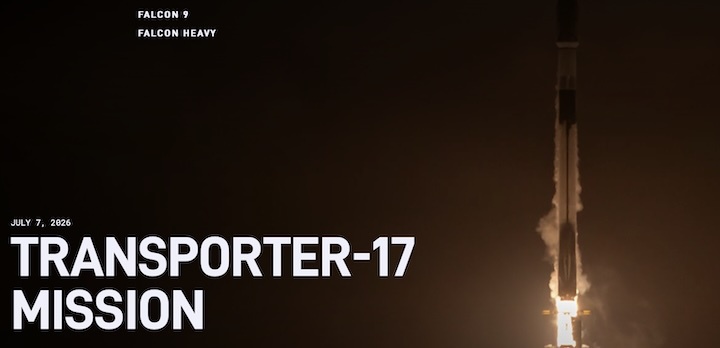
JULY 7, 2026 00:12 PT
TRANSPORTER-17 MISSION
SpaceX is targeting Tuesday, July 7 for Falcon 9’s launch of the Transporter-17 mission to low-Earth orbit from Space Launch Complex 4E (SLC-4E) at Vandenberg Space Force Base in California. The 95-minute launch window opens at 12:10 a.m. PT. If needed, there is a backup opportunity on Wednesday, July 8 at the same time.
A live webcast of this mission will begin about 15 minutes prior to liftoff, which you can watch here and on X @SpaceX.
This will be the 11th flight for the first stage booster supporting this mission, which previously launched Sentinel-6B, Twilight, NROL-172, and seven Starlink missions. Following stage separation, the first stage will land on the Of Course I Still Love You droneship, which will be stationed in the Pacific Ocean.
Transporter-17 is a dedicated smallsat rideshare mission. There are 81 payloads on this flight, including cubesats, microsats, hosted payloads, and orbital transfer vehicles carrying eight of those payloads to be deployed at a later time. To date, SpaceX has launched more than 1,800 payloads to orbit across our entire Rideshare program.
There is the possibility that residents of Santa Barbara, San Luis Obispo, and Ventura counties may hear one or more sonic booms during the launch, but what residents experience will depend on weather and other conditions.
Quelle: SpaceX
----
Update: 7.07.2026
.
Florida company to launch first commercial nuclear spacecraft on SpaceX mission
A Florida-based company that pioneered tiny nuclear batteries is preparing to launch the world’s first commercial nuclear-powered spacecraft atop a SpaceX mission, a milestone that could help shape future missions to the moon and beyond.
Located in Miami, City Labs is a small company focusing on micro nuclear power. They created the first commercial Tritium-powered battery and now are preparing for a new first: launching a nuclear-powered spacecraft, known as BOHR (Betavoltaic Orbital High-Reliability) satellite.
“We’re the first. This is going to be the world’s first commercial nuclear launch,” said City Labs CEO Peter Cabauy.
The spacecraft, a small CubeSat, was set to launch no earlier than 12:10 a.m. PT Tuesday, July 7 atop a SpaceX Falcon 9 rocket from Vandenberg Space Force Base, California. The spacecraft will be flying alongside 80 other payloads as part of SpaceX’s Transporter-17 rideshare mission.
While the CubeSat itself is solar-powered, the Tritium payload inside will be self-powered. Cabauy said the payload will orbit for approximately 10 years but the company expects results from the test within weeks or months.
Cabauy told FLORIDA TODAY that the "NanoTritium betavoltaic technology" being tested is very low power. Cabauy noted that the levels of radiation in these batteries are low enough that it would be considered safe to ship to a public residence.
“Normally, nuclear materials, specific devices, you can only ship it between one company to another, and they have to have approved radiation facilities to handle material,” said Cabauy. “But not with Tritium power sources.”
It’s been a work in progress. Lockheed Martin also tested the durability of the company’s Tritium devices back in 2008, running them through multiple environmental tests. Today, those devices are still working.
As for the spacecraft launching on the SpaceX rideshare mission, it is simply designed as a test demonstration of two things: the technology and the company's regulatory path forward.
Nuclear power for NASA moon missions
The company is also working on manufacturing independent heat sources. With the recent call by NASA for development of the Moon Base, it has become an even more urgent matter.
“NASA and other government agencies around the world have done nuclear launches historically, but to move towards commercial, this is a world’s first,” said Cabauy. “And it’s what’s required to be able to scale things up as we’re going back to the moon.”
NASA announced last August its intention to put a nuclear reactor on the moon within the next decade, which could power a base during a lunar night – a period equal to about 14 Earth days in which the moon is not exposed to the sun. The space agency already uses nuclear generators on spacecraft such as its more recent Mars rovers.
Cabauy explained that to be able to colonize the moon, especially in areas which do not see sunlight, small power sources independent of solar power will be needed. Some of these are as tiny as a postage stamp.
The Tritium devices can produce 10s of watts of heat, which Cabauy said is about what is needed for many of the missions on the surface of the moon.
“We’re excited about opening this path up, but it’s not just for City Labs,” said Cabauy. “We’re opening up the commercial nuclear space for a bunch of other companies who are also trying to do this type of thing.”
Quelle: Florida Today
+++
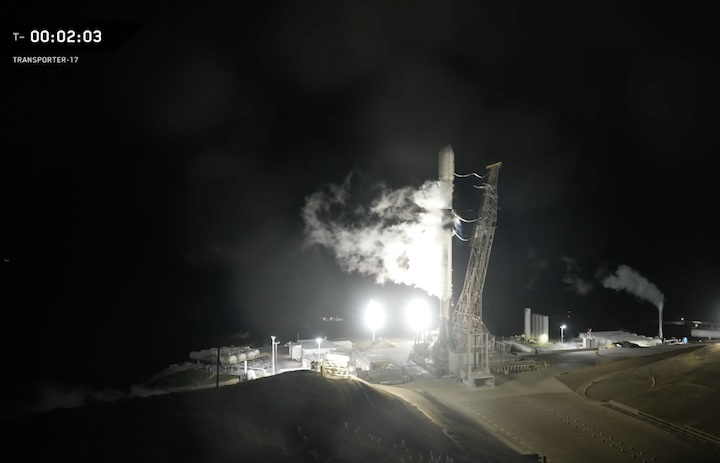
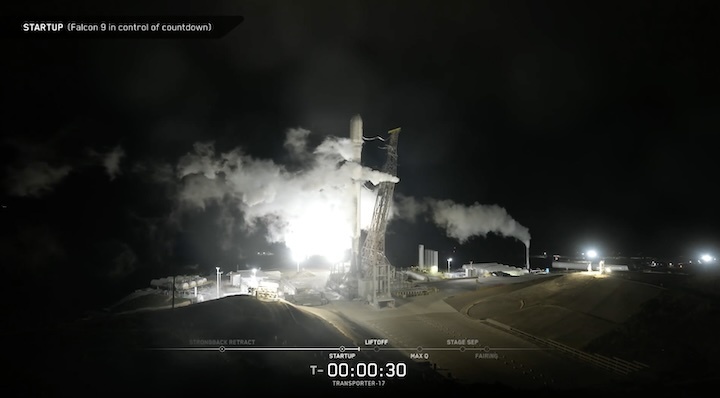
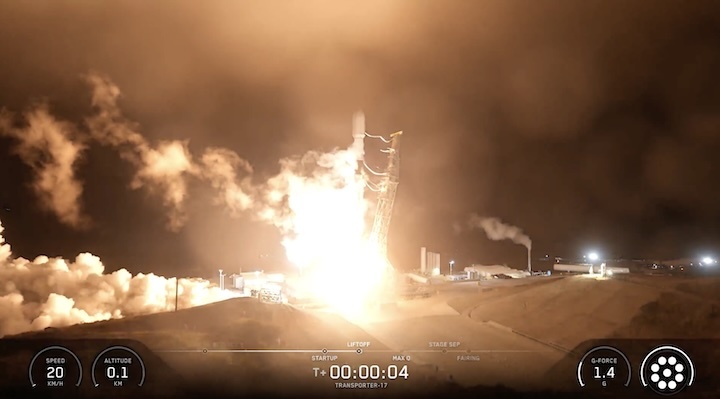
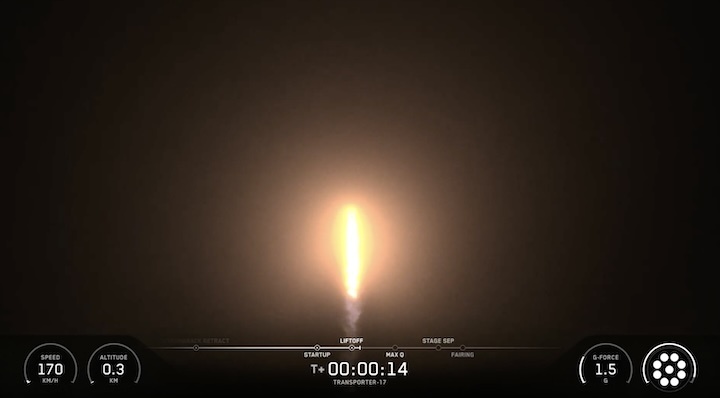
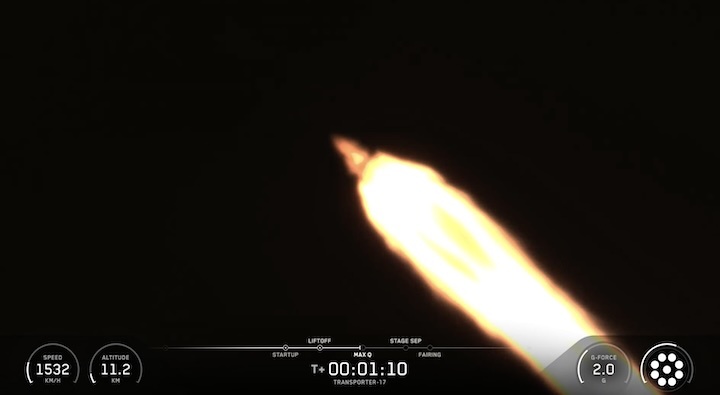
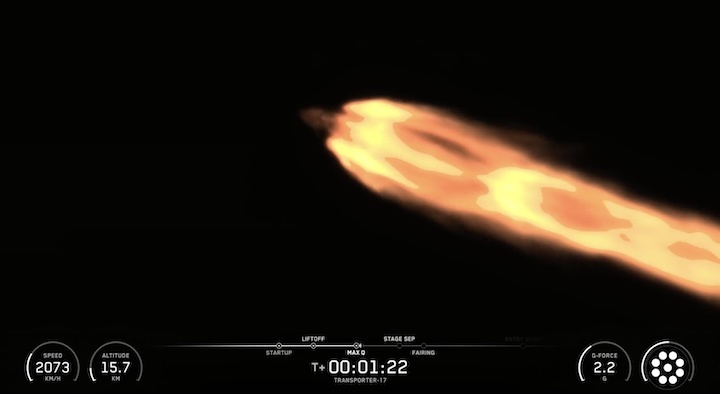
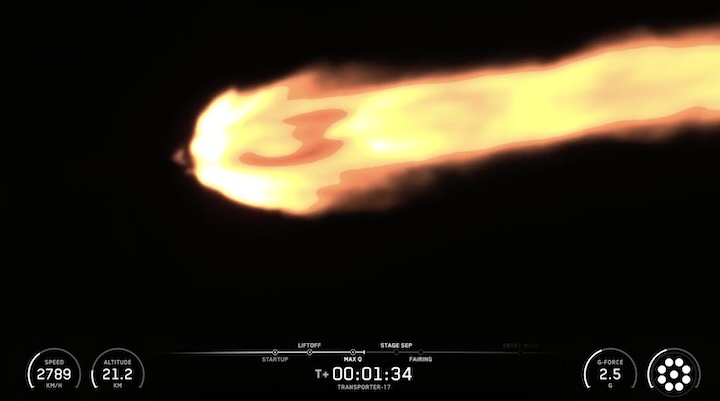
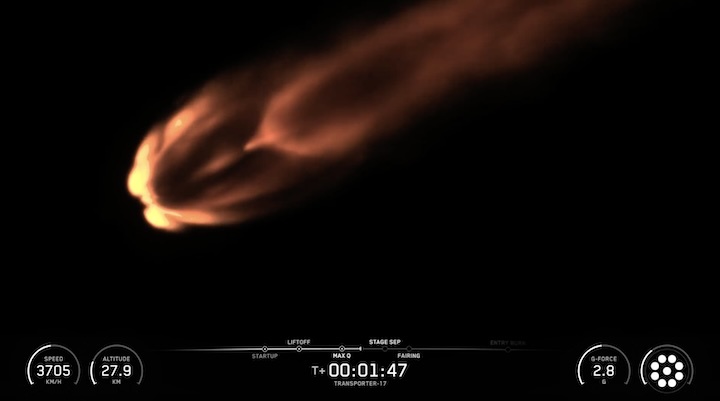
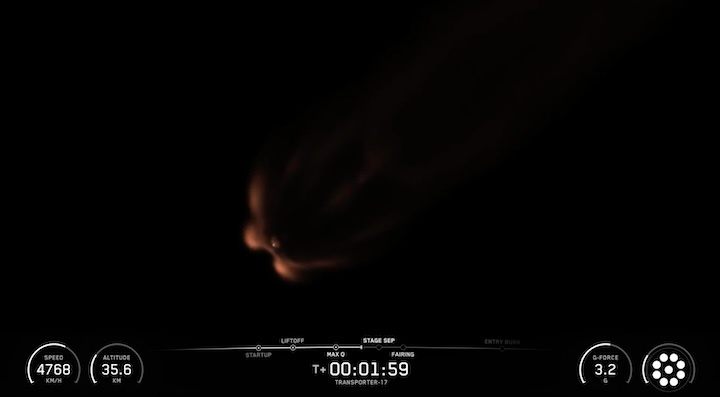
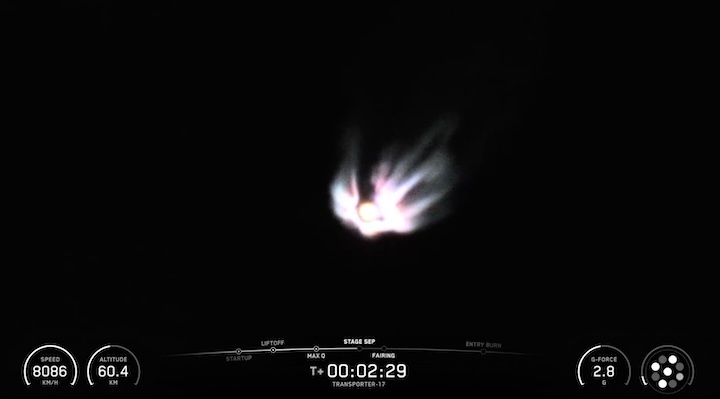
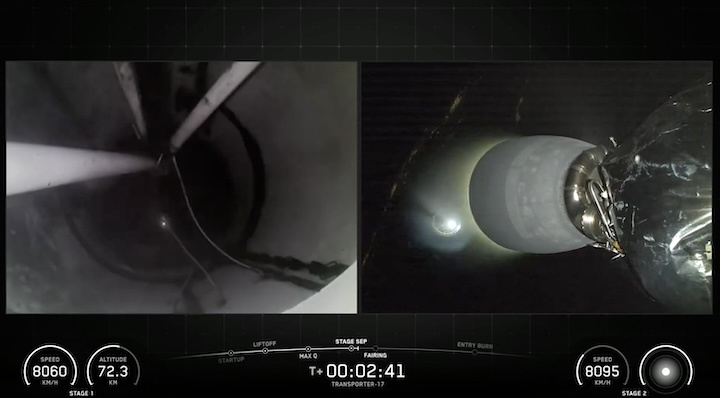
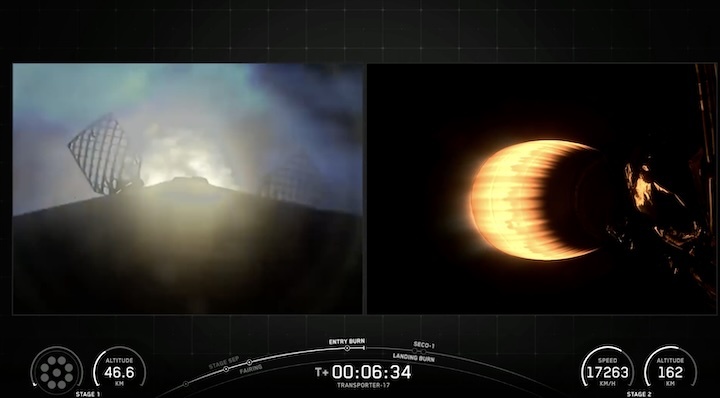
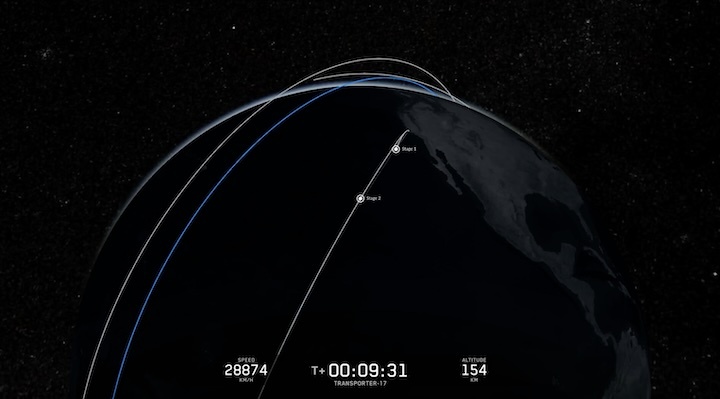
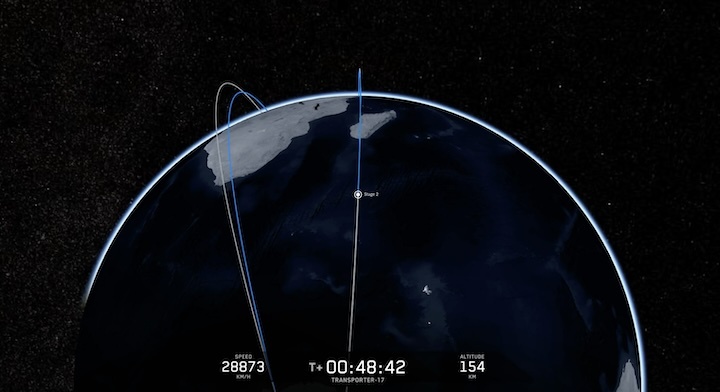
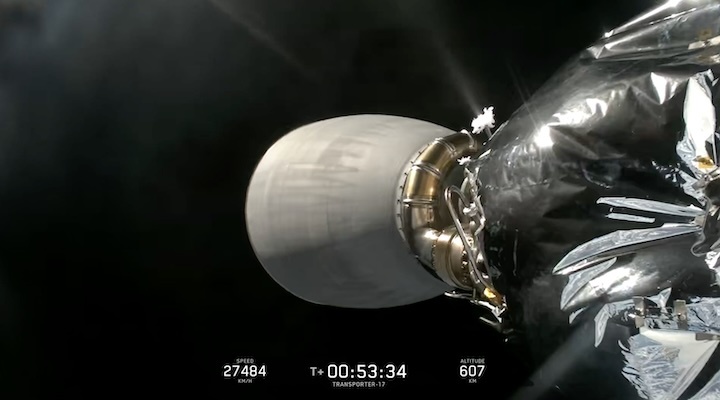
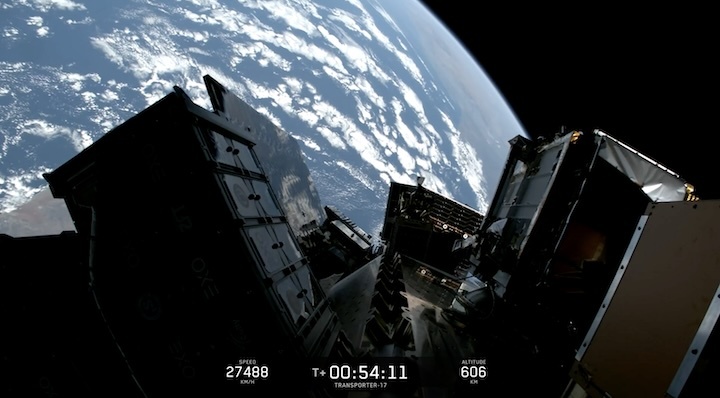
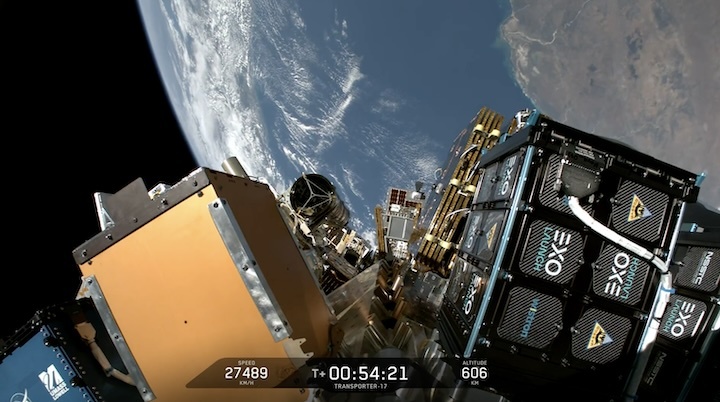
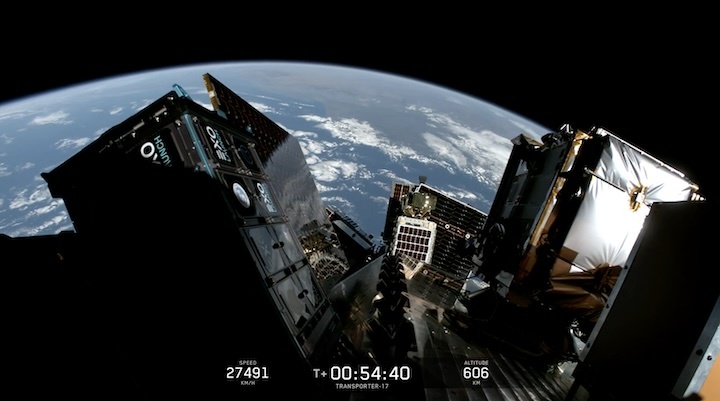
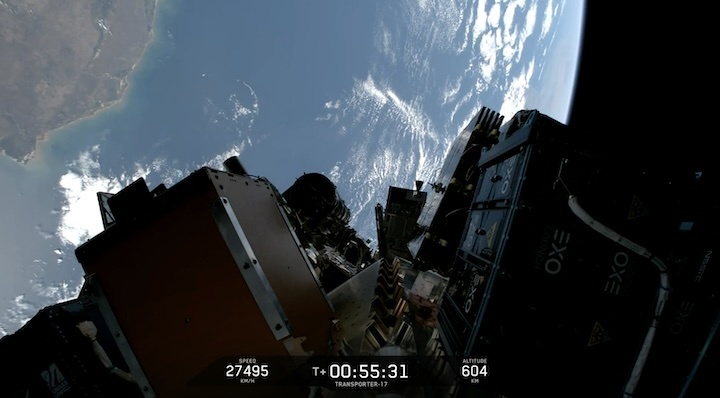
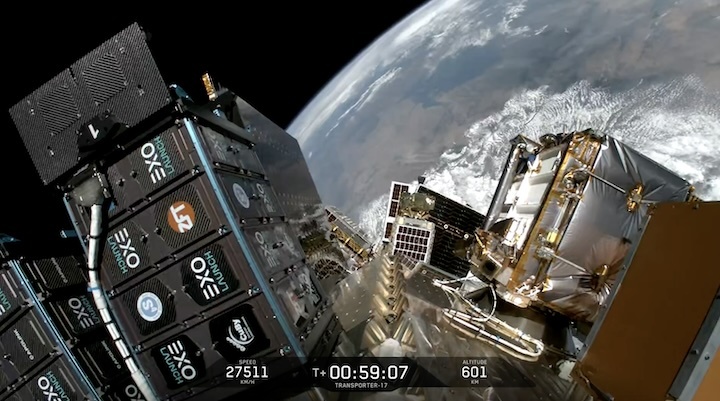
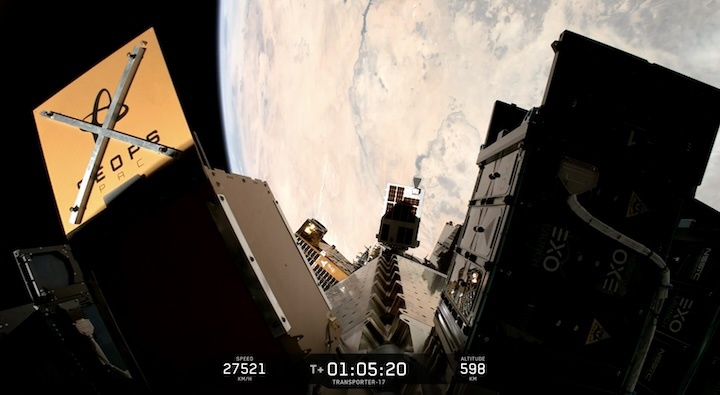
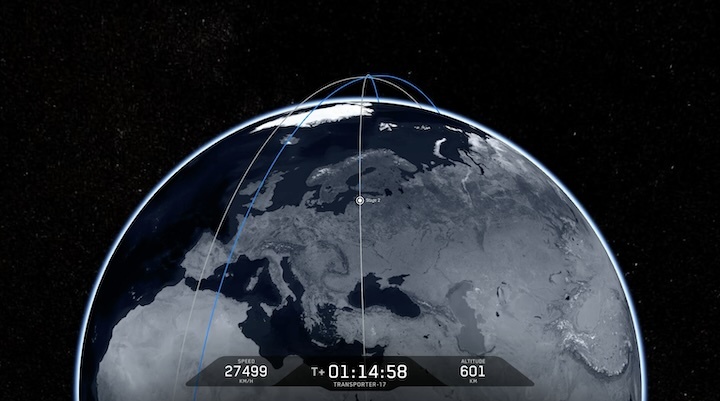
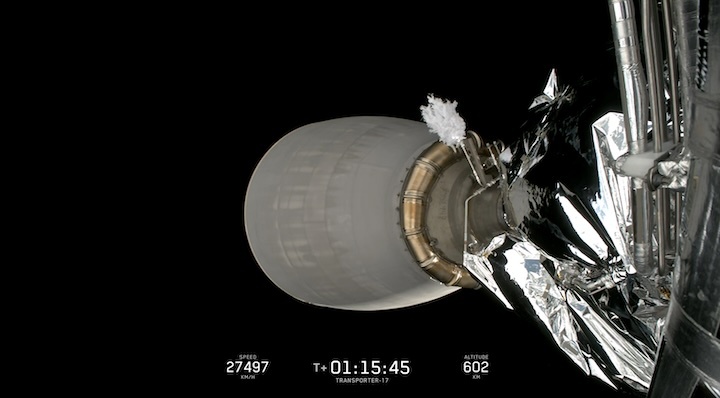
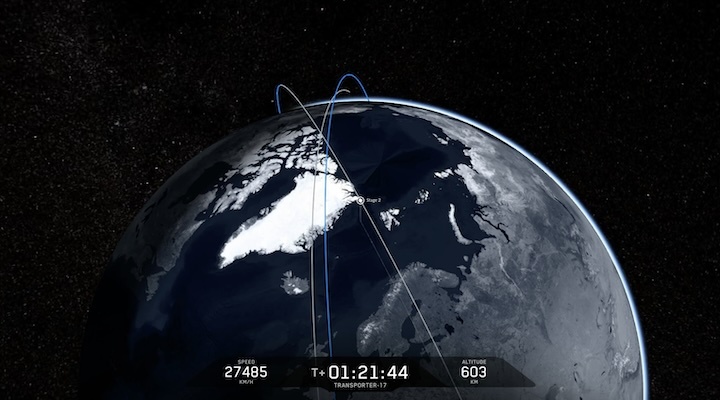
On Tuesday, July 7 at 12:12 a.m. PT, Falcon 9 launched the Transporter-17 mission to low-Earth orbit from Space Launch Complex 4E (SLC-4E) at Vandenberg Space Force Base in California.
This was the 11th flight for the first stage booster supporting this mission, which previously launched Sentinel-6B, Twilight, NROL-172, and seven Starlink missions. Following stage separation, the first stage landed on the Of Course I Still Love You droneship, which was stationed in the Pacific Ocean.
Transporter-17 was a dedicated smallsat rideshare mission. There were 81 payloads on this flight, including cubesats, microsats, hosted payloads, and orbital transfer vehicles carrying eight of those payloads to be deployed at a later time. To date, SpaceX has launched more than 1,800 payloads to orbit across our entire Rideshare program.
There was a possibility that residents of Santa Barbara, San Luis Obispo, and Ventura counties heard one or more sonic booms during the launch, but what residents experienced depended on weather and other conditions.
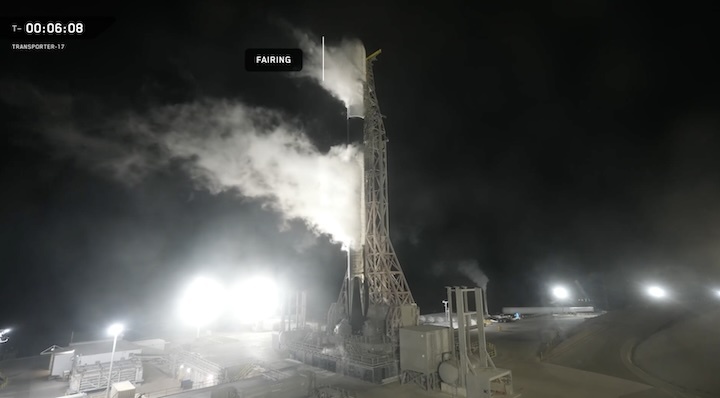
Quelle: SpaceX