
22.12.2025
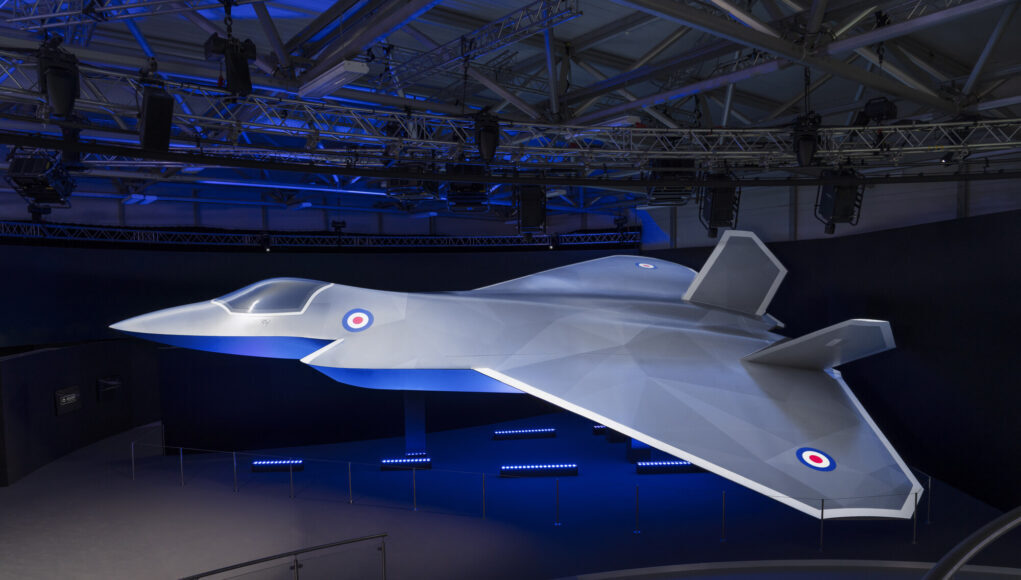
The UK has reiterated that it remains open to additional partners joining the Global Combat Air Programme (GCAP), as uncertainty deepens around Europe’s rival Future Combat Air System (FCAS) and Germany’s long-term position on next-generation combat aviation.
In a written parliamentary answer published on 18 December, Defence Minister Luke Pollard said the UK, Italy and Japan continue to prioritise delivery of GCAP, while maintaining openness to expansion.
“As partners we have maintained that we remain open to other partners joining,” Pollard said. “The UK and our GCAP partners, Italy and Japan, are focused on delivering this vital military capability at pace.”
The Global Combat Air Programme is a trilateral effort between the United Kingdom, Italy and Japan to jointly develop a sixth-generation stealth combat aircraft intended to enter service by around 2035. The programme formally merged the UK’s Tempest and Japan’s F-X initiatives and is backed by a joint industrial base including BAE Systems (UK), Leonardo (Italy) and Mitsubishi Heavy Industries (Japan), with the Edgewing joint venture established to lead design and delivery. GCAP is headquartered in the UK under an international treaty framework agreed by the three governments.
The response came after Liberal Democrat MP James MacCleary asked whether recent discussions had taken place with German, Italian and Japanese counterparts regarding Germany potentially joining GCAP. Recent reporting has described FCAS as being in serious difficulty, with officials now seeing the programme’s Next Generation Fighter as at risk of collapse. Ministerial talks in mid-December reportedly failed to unlock Phase 2 of the programme, leaving key industrial contracts unsigned and political declarations unconverted into binding agreements.
German political rhetoric around FCAS has also shifted. Lawmakers and officials in Berlin have begun speaking openly about the possibility of breaking with France on the fighter component, a marked change from earlier efforts to manage disagreements privately. This has been widely interpreted as frustration rather than routine negotiating pressure, particularly given Germany’s existing commitment to the F-35.
France and Spain have publicly reaffirmed their support for FCAS, framing it as central to European strategic autonomy. However, those statements have been undermined by persistent industrial deadlock, with Dassault’s chief executive openly questioning whether the fighter will ever be built without clear leadership and authority. The unresolved leadership dispute between Dassault and Airbus continues to be described by analysts as structural rather than temporary.
Against that backdrop, GCAP has increasingly been positioned as an alternative model with defined leadership and clearer industrial alignment. The UK-led programme aims to deliver a next-generation combat aircraft for service in the mid-2030s, with Italy and Japan as core partners.
Media coverage has also warned of wider consequences if FCAS fails, suggesting that collapse could damage cooperation on other flagship European defence programmes, including the Franco-German Main Ground Combat System. As such, FCAS is widely portrayed as a test case for whether large-scale European defence integration can survive competing national priorities and industrial sovereignty concerns.
Quelle: ukdj